Beyond the Beautiful: Why Italian Design Still Captivates Hospitality
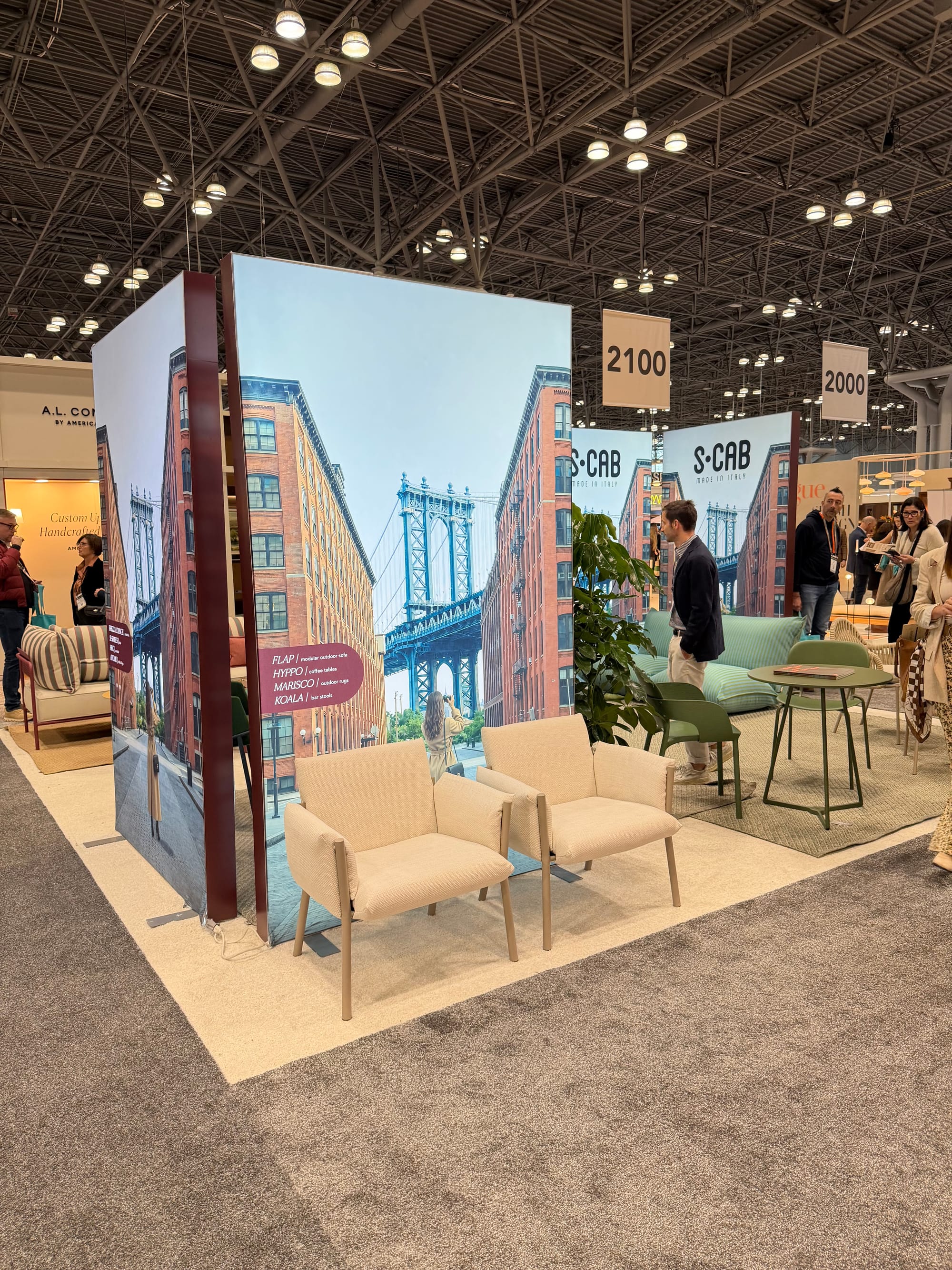
At BDNY 2026, Italian Contract 4HD and Thrive In Design brought together an international community of designers, manufacturers, and industry leaders to explore the craftsmanship, innovation, and relationships shaping the future of hospitality interiors.
There is something about Italian design that transcends aesthetics.
Perhaps it's the centuries of craftsmanship embedded in the country's manufacturing traditions. Or the ability to balance heritage with innovation, transforming familiar materials into something entirely unexpected. More likely, it's the people behind the products—the artisans, designers, and manufacturers whose knowledge shapes not only what we see, but what becomes possible.
For me, that appreciation has been shaped by experience. Having visited Italy three times and worked for an Italian lighting manufacturer earlier in my career, I've seen how deeply design is connected to the country's culture of making.
It's a perspective that has stayed with me throughout my career in the interiors industry, particularly when considering what gives architects and designers the confidence to specify a product.
That question took on new meaning at Boutique Design New York (BDNY) 2026, where Thrive In Design partnered with Italian Contract 4HD to host Sips, Stories & Specifications: Discover Italian Brands for Your Next Project.
The November 8 gathering offered something increasingly valuable amid the pace of an international trade show: an opportunity to slow down, discover something new, and connect directly with the people whose expertise brings extraordinary products to life.
Where Design and Dialogue Meet
Within the Italian Contract 4HD exhibition area at New York's Javits Center, the gathering brought together more than 50 hospitality designers, purchasing professionals, and industry decision-makers, alongside members of the design press.
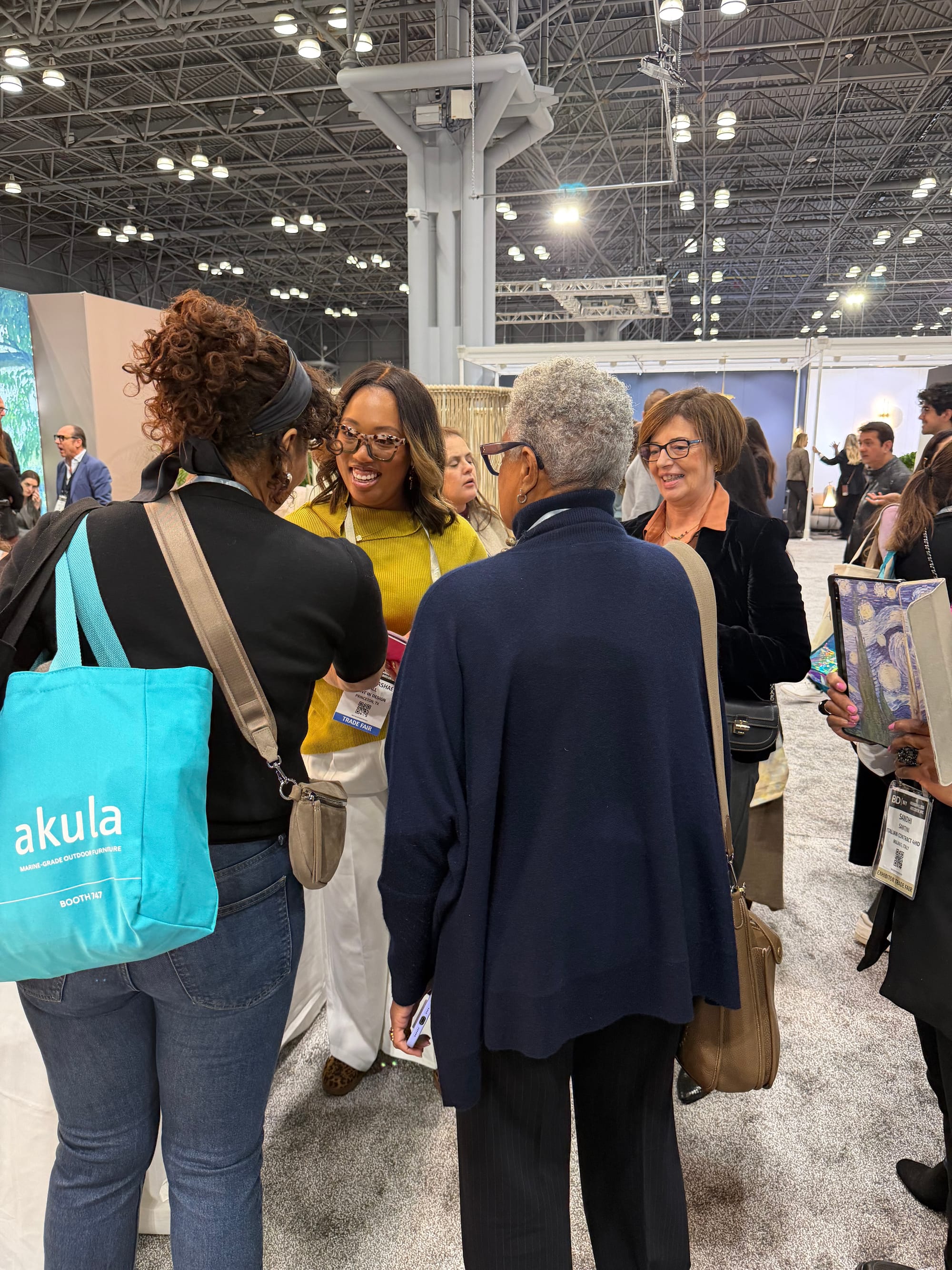
Representing different disciplines, markets, and parts of the world, guests came together around a shared curiosity for Italian design.
The experience was intentionally informal. Rather than a structured presentation, guests were invited to explore the featured manufacturers, engage in conversation, and discover the stories and capabilities behind their collections.
The response reflected a genuine appetite for this kind of exchange. Attendees expressed enthusiasm for discovering new brands, learning about their expertise, and exploring possibilities for future projects.
For Italian Contract 4HD, whose work centers on connecting Italian manufacturers with the international hospitality market, the gathering was an extension of a broader mission: creating meaningful access between the people who design spaces and those who help bring them to life.
And in an industry where relationships often precede specifications by months or even years, those introductions carry considerable value.
Thirteen Brands, Distinct Perspectives on Italian Design
The gathering highlighted 13 Italian brands spanning furniture, lighting, textiles, flooring, natural stone, and outdoor furnishings, offering a cross-section of the country's manufacturing expertise.
In lighting, Italamp and Lodes represented approaches to decorative and architectural illumination, while Elite Stone Group and Listone GIʎNT brought attention to the enduring appeal of natural materials through marble, stone, and hardwood flooring.
Textile expertise was represented by Rubelli, known for its rich textile heritage, and Mariaflora, whose indoor-outdoor performance fabrics speak to the evolving relationship between aesthetics and durability in hospitality environments.
Furniture manufacturers offered an equally varied perspective. Natuzzi, Pellizzoni, Vibieffe, and Orbital Design Collective – Contract Division represented categories ranging from upholstered seating and leather furnishings to contract furniture, lighting, and accessories.
For spaces that extend beyond the interior, Roberti Outdoor, Unopiù, and S•CAB showcased the breadth of Italian outdoor and indoor-outdoor furnishings.
Together, the brands illustrated a defining characteristic of Italian manufacturing: the ability to combine specialized material knowledge with design sensibility across an extraordinary range of applications.
For hospitality designers, that diversity is particularly relevant. As projects become increasingly tailored to their locations, guests, and brand identities, access to manufacturers with distinct capabilities can expand the creative possibilities of a space.
Yet the value of these manufacturers extends beyond the products displayed.
It lies equally in the expertise that informs their development.
The Craftsmanship Behind the Specification
Ahead of BDNY, I sat down with Antonella Lanari and Lorena Malaman of Italian Contract 4HD for a special episode of the Thrive In Design Podcast.
Our conversation centered on a deceptively simple question: Why specify Italian?
While craftsmanship and heritage are frequently associated with Italian design, we explored how those qualities translate into practical value for contemporary hospitality projects.
A compelling product may begin with its appearance, but the specification process demands a deeper understanding of performance, customization, manufacturing capabilities, and long-term suitability.
Consider Rubelli's Fabthirty, a flame-retardant jacquard that evokes the visual richness of tweed through an alternative construction. The material demonstrates how technical knowledge can preserve a desired aesthetic while responding to performance considerations.
Another example emerged through Natuzzi Italia's involvement in The Living Room Miami by Cipriani. There, the manufacturer's contribution extended beyond supplying furniture to include feasibility studies, technical development, mock-ups, prototypes, project management, and installation.
These examples reveal an important distinction between selecting a product and engaging a manufacturing partner.
The latter introduces an entirely different level of collaboration—one in which technical knowledge, material expertise, and creative problem-solving become part of the design process.
For architects and designers, understanding those capabilities can influence not only what gets specified, but how ambitious a project can become.
A Longer View of Design
Hospitality interiors are expected to do more than make a memorable first impression.
They must withstand continuous use, respond to operational demands, and maintain their character over time.
Yet the qualities that contribute to longevity are not always immediately visible.
During our podcast conversation, Antonella and Lorena highlighted how Italian manufacturers consider long-term performance and maintenance in hospitality design. They shared examples from Listone GIʎNT, whose solid wood flooring can be sanded and refinished rather than completely replaced, and Lodes, whose custom lighting installation at the Kempinski Hotel was engineered with future LED replacement and maintenance in mind.
These considerations may seem secondary to the visual experience of a space, but they are fundamental to its long-term performance.
A beautifully designed hotel lobby must remain functional long after its opening. Materials must age appropriately. Furnishings must withstand repeated use. Lighting systems must be maintained without compromising the original design intent.
The most valuable manufacturing expertise often reveals itself in how thoughtfully these realities are addressed.
And as hospitality continues to consider questions of durability, lifecycle value, and responsible material selection, conversations about what happens after installation deserve as much attention as those surrounding the initial design.
The Enduring Value of Human Connection
At a time when digital platforms have made product discovery nearly instantaneous, the role of in-person experiences continues to evolve.
Designers can explore collections, review technical information, and connect with manufacturers across continents without leaving their studios.
What cannot be entirely replicated is the experience of engaging directly with the people behind the work.
The opportunity to examine a material firsthand, understand the nuances of a finish, or discuss the feasibility of a custom application can reveal details that a product image or specification sheet may never fully communicate.
This was part of what made Sips, Stories & Specifications such a fitting experience for BDNY.
Beyond the introductions and product discoveries, the gathering created opportunities for dialogue between individuals who approach hospitality projects from different perspectives.
Designers brought their creative ambitions and project challenges. Manufacturers brought material knowledge, production expertise, and an understanding of what their capabilities could make possible.
The resulting exchange was about more than products.
It was about building familiarity and trust across an international design community.
And while not every introduction will lead to an immediate project, these encounters often establish the foundation for future collaboration.
A manufacturer discovered in November may become a valuable resource for a project taking shape the following spring. A conversation about customization may open the door to an application that wasn't previously considered.
The significance of those moments isn't always apparent on the trade show floor.
Sometimes, it becomes clear much later.
Beyond BDNY
For Italian Contract 4HD and Thrive In Design, the gathering represented a shared belief in the value of connecting manufacturers with the people who influence the spaces we experience.
It also offered a reminder that the story of Italian design cannot be fully captured through aesthetics alone.
Its richness lies in the relationship between tradition and experimentation, material knowledge and technical innovation, creative vision and manufacturing expertise.
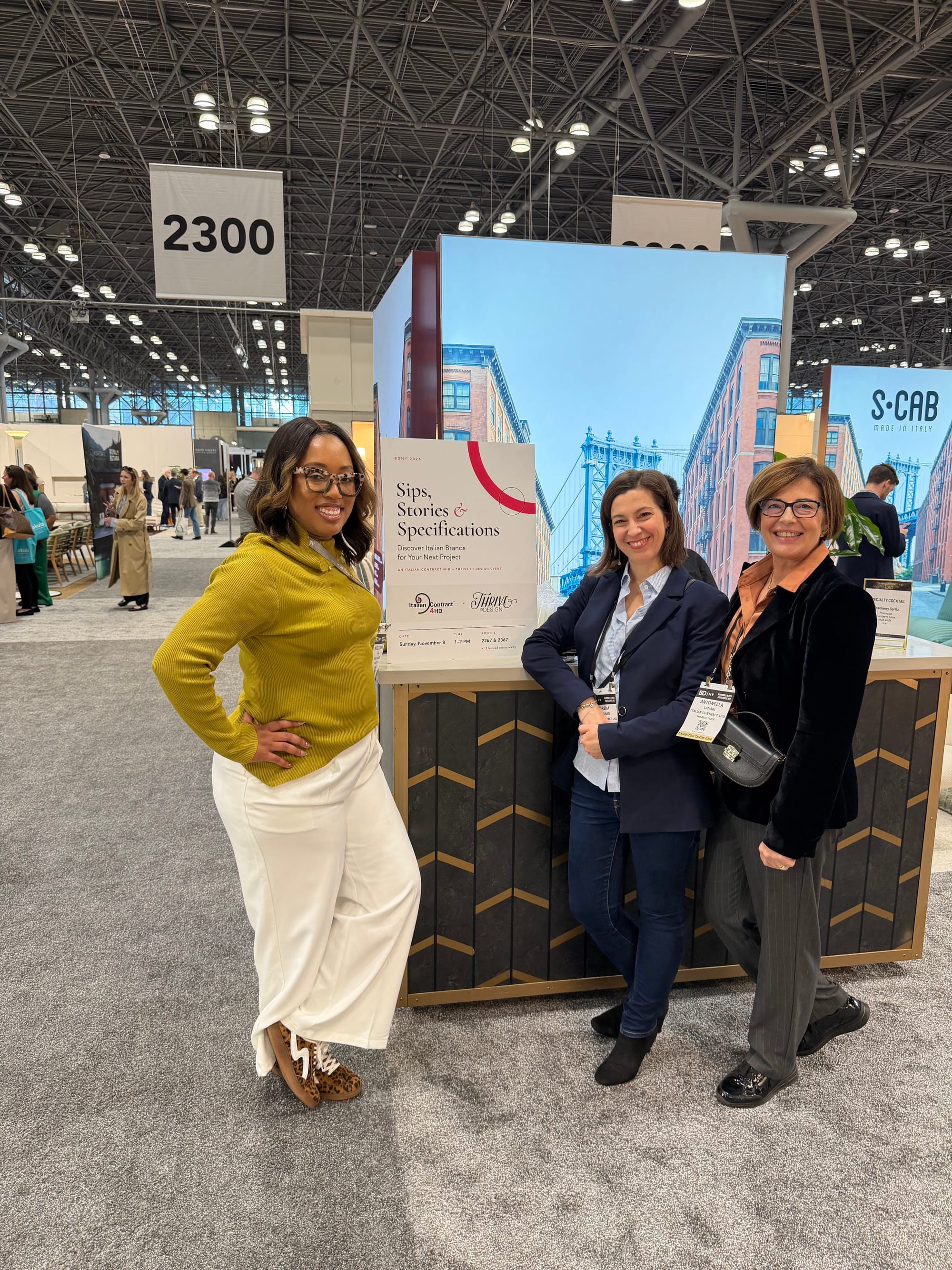
I am grateful to Antonella Lanari and Lorena Malaman for the opportunity to collaborate on this experience, and to the participating manufacturers, designers, purchasing professionals, members of the press, and industry leaders who joined us.
The enthusiasm surrounding the gathering reinforced the importance of creating spaces where discovery can lead to meaningful dialogue.
As the hospitality design community looks toward its next generation of projects, the conversation around Italian manufacturing remains as relevant as ever.
Because ultimately, specifying a product is about more than choosing what belongs in a space.
It's about understanding the knowledge, capabilities, and people behind it—and recognizing the possibilities they bring to the design process.
Discover Italian Brands for Your Next Project
The conversation continues beyond the BDNY show floor.
In a special episode of the Thrive In Design Podcast, host Nicole Lashae Hall joins Antonella Lanari and Lorena Malaman of Italian Contract 4HD to explore the craftsmanship, heritage, customization, and technical expertise behind Italian manufacturing.
From material innovation to the complexities of hospitality specification, the conversation offers a closer look at the knowledge and relationships shaping Italian design.
Watch the video or listen to the full episode: Discover Italian Brands For Your Next Project
Explore the stories behind the products and discover new possibilities for your next hospitality project.
Ready to Put Insight Into Action?
The SpecReady Assessment is the best first step to understanding where your brand stands.
Take the SpecReady Assessment